
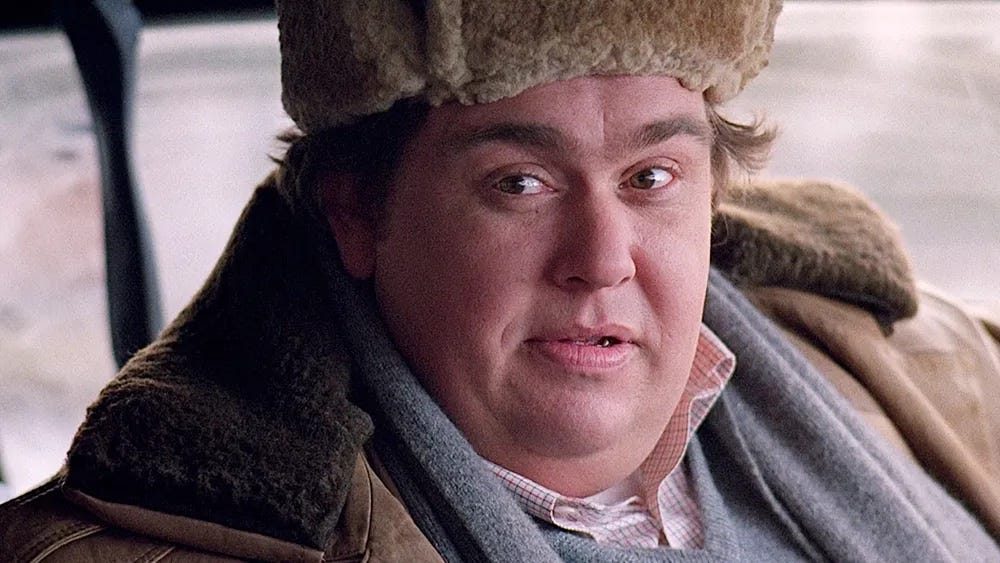
Uncle Buck Shop: John Candy’s Best Roles & Timeless Appeal
When fans think of John Candy, a flood of iconic characters rushes to mind: the lovable goofball in “Planes, Trains and Automobiles,” the heartfelt dad in “Cool Runnings,” and of course, the unforgettable Uncle Buck. While his filmography spans decades, the enduring charm of his performances still draws new audiences to the “Uncle Buck Shop,” a virtual hub where his legacy lives on. In this post we’ll explore Candy’s most beloved roles, why they still resonate, and how the timeless appeal of his humor continues to inspire today’s comedy lovers.
John Candy’s Breakthrough: The Heart‑Warmer in “Uncle Buck”
Released in 1989, “Uncle Buck” introduced us to a character who was both reckless and tender‑hearted. Candy’s portrayal of the bumbling yet caring sibling turned babysitter showcased his unrivaled ability to blend slapstick with genuine emotion. The film’s mix of chaotic antics—like the infamous “unzip the duffle bag” scene—and heartfelt moments, such as Buck’s protective stance toward the children, created a perfect balance that kept audiences laughing and rooting for him.
What makes this role stand out isn’t just the comedy; it’s the vulnerability beneath the jokes. Buck’s drunken stumbles and unapologetic honesty revealed a man unwilling to conform to traditional adult expectations, a quality that resonates with anyone who’s ever felt out of place. It’s this blend of chaos and compassion that fuels the “Uncle Buck Shop” community, where fans gather to share favorite quotes, memes, and behind‑the‑scenes stories.
Beyond Buck: Candy’s Versatility in “Planes, Trains and Automobiles”
Two years after “Uncle Buck,” Candy took on the role of Del Griffith, a larger‑than‑life, good‑natured salesman in “Planes, Trains and Automobiles.” While Del’s comedic timing rivaled Buck’s, his character added layers of pathos that demonstrated Candy’s depth. The chemistry between Del and Steve Martin’s Neal Page highlighted Candy’s knack for supporting roles that steal the spotlight without ever feeling forced.
The film’s road‑trip premise let Candy explore physical comedy—from his infamous “hurricane-dressed” entrance to his heartfelt vulnerability during a hospital scene. Audiences still quote Del’s lines, and the moment when he shares his frustration about being overlooked mirrors real‑life feelings of underappreciated effort. It’s this relatability that keeps “Uncle Buck Shop” visitors returning for fresh perspectives on Candy’s other performances.
Timeless Appeal: Why John Candy’s Humor Still Works
John Candy’s brand of comedy is rooted in authenticity. He never relied on shock value; instead, he amplified the quirks we all recognize in ourselves. Whether playing a clumsy babysitter, a washed‑up salesman, or a lovable team mascot in “Cool Runnings,” Candy’s laughter came from a place of sincere humanity.
Modern comedy often leans toward rapid-fire jokes or edgy satire, but Candy’s pacing—slow, deliberate, and layered—allows every punchline to land. His physicality, combined with a warm vocal tone, creates an inviting atmosphere that feels timeless. The “Uncle Buck Shop” reflects this by curating clips that showcase these subtle nuances, proving that his humor transcends generational gaps.
Moreover, Candy’s ability to convey deep emotion beneath the jokes provides a lasting impact. Audiences remember not just the laughs, but the moments when his characters showed compassion, fear, or vulnerability. This emotional resonance fuels a continuous rediscovery of his films, keeping his legacy alive in the digital age.
The Legacy Lives On: How “Uncle Buck Shop” Keeps the Spirit Alive
The online “Uncle Buck Shop” serves as a modern shrine for fans and newcomers alike. It aggregates classic scenes, interviews, and fan‑generated content, creating a community where Candy’s work is celebrated daily. By offering curated playlists—ranging from his slapstick moments to his heartfelt monologues—the site ensures that every visitor can experience the full spectrum of his talent.
In addition to entertainment, the platform also educates. Articles dissecting his acting techniques, behind‑the‑scenes anecdotes, and retrospectives on how his roles influenced contemporary comedians provide depth beyond mere nostalgia. This educational angle invites a new generation of creators to study his timing, physicality, and emotional honesty.
Ultimately, the “Uncle Buck Shop” proves that John Candy’s appeal isn’t confined to a single era. His ability to make audiences laugh while feeling connected is a rare gift that endures. As long as people seek humor rooted in genuine humanity, Candy’s legacy will remain a beacon for comedians and fans around the world.
John Candy may have left us too soon, but his characters—especially the unforgettable Uncle Buck—continue to bring joy, laughter, and a sense of belonging. Whether you’re revisiting his classic films or discovering them for the first time through the “Uncle Buck Shop,” you’ll find that his timeless appeal is as vibrant today as it was over three decades ago.