
Scorpion Store Insights: 6 Facts About Desert Predators
Desert predators have fascinated scientists and nature lovers for centuries, and the Scorpion Store has become a hub for enthusiasts eager to learn more about these resilient creatures. From their astonishing survival tactics to their unique hunting methods, scorpions reveal a world of adaptation that thrives where few others can. In this post, we’ll uncover six compelling facts that highlight why these arachnids dominate the arid landscape.
Scorpion Store Insights: 6 Facts About Desert Predators
First, scorpions are master survivors. Their exoskeletons act like armor, protecting them from the harsh sun and abrasive sand. This tough exterior not only prevents dehydration but also shields their delicate internal organs from the frequent temperature swings that characterize desert climates.
Second, they boast an incredible night vision. Although they appear blind to human eyes, scorpions possess specialized eyes that are highly sensitive to low light. This adaptation allows them to hunt efficiently after sundown, when their prey is most active and the desert cools down.
The Power of Venom: More Than Just a Sting
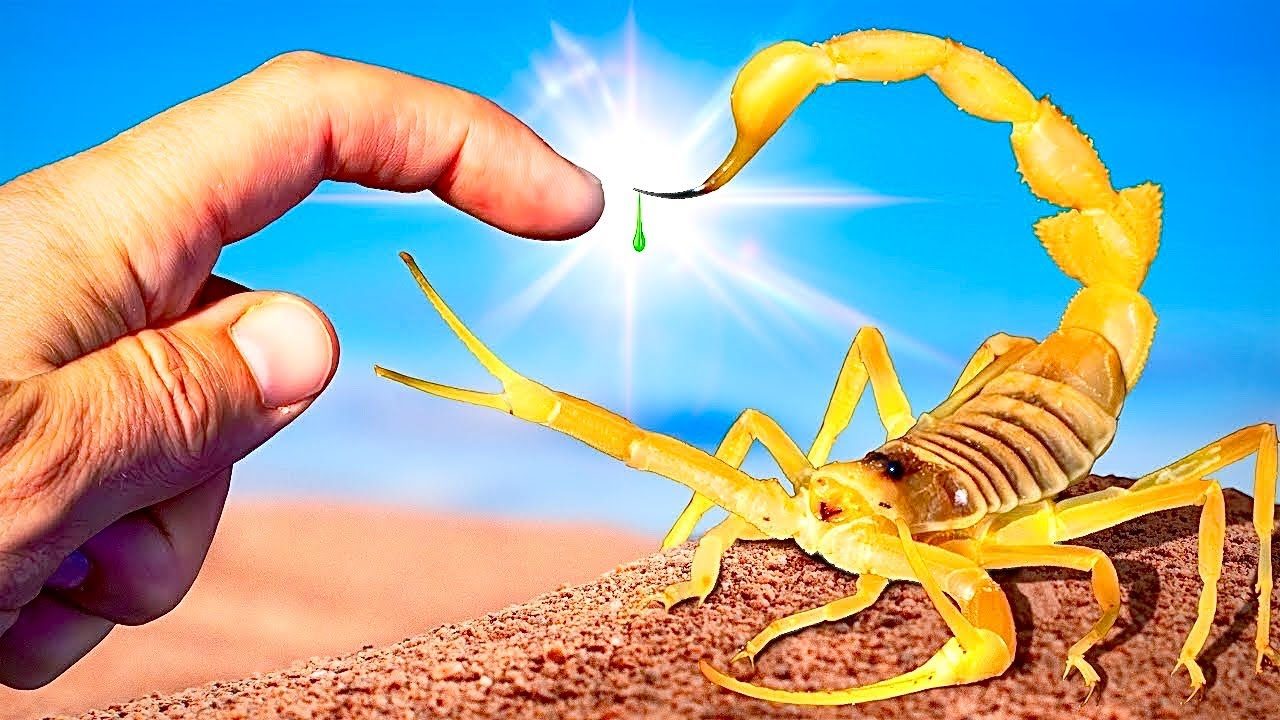
Venom is a scorpion’s most iconic weapon, but its purpose goes far beyond delivering a painful sting. Each species produces a unique blend of toxins, some of which are potent enough to subdue prey instantly, while others are designed to deter larger threats. Researchers at the Scorpion Store have cataloged these variations, noting that milder venoms often help conserve energy for the scorpion’s next hunt.
In addition to defense, scorpion venom has sparked medical interest. Certain compounds are being investigated for potential use in pain management and even cancer treatment, showcasing how these desert predators can contribute to human health advancements.
Adaptations That Defy the Desert Heat
One of the most remarkable adaptations is their ability to control water loss. Scorpions breathe through tiny openings called spiracles, which they open only when necessary. This method minimizes evaporation and allows them to survive days without drinking water.
Another clever strategy involves burrowing. By digging shallow tunnels, scorpions create micro‑environments that stay cooler and retain moisture. These burrows also serve as safe havens from predators and extreme weather, making them essential for survival in scorching dunes.
Reproduction and Longevity: The Quiet Life of Desert Predators
Scorpions have a surprisingly long lifespan compared to many insects. Some species can live up to 25 years, providing ample time to master the art of hunting and hide from danger. Their reproductive cycle is equally intriguing. Female scorpions give birth to live young, a rare trait among arachnids, and they often carry the newborns on their backs until the first molt.
These parental instincts ensure a higher survival rate for the offspring, especially in the unforgiving desert where predators and environmental hazards are constant threats.
Conclusion: Why Scorpions Deserve Our Attention
The desert might appear barren, but its predators, especially scorpions, weave a complex web of survival tactics, chemical defenses, and social behaviors. The Scorpion Store continues to be a valuable resource for those eager to explore these facts, offering educational materials and live specimens that bring the desert’s hidden wonders right to our fingertips.
By understanding these six key facts, we gain deeper appreciation for the resilience of desert predators and the delicate balance they maintain in their harsh habitats. Whether you’re a casual observer or a dedicated researcher, the world of scorpions promises endless fascination and discovery.