
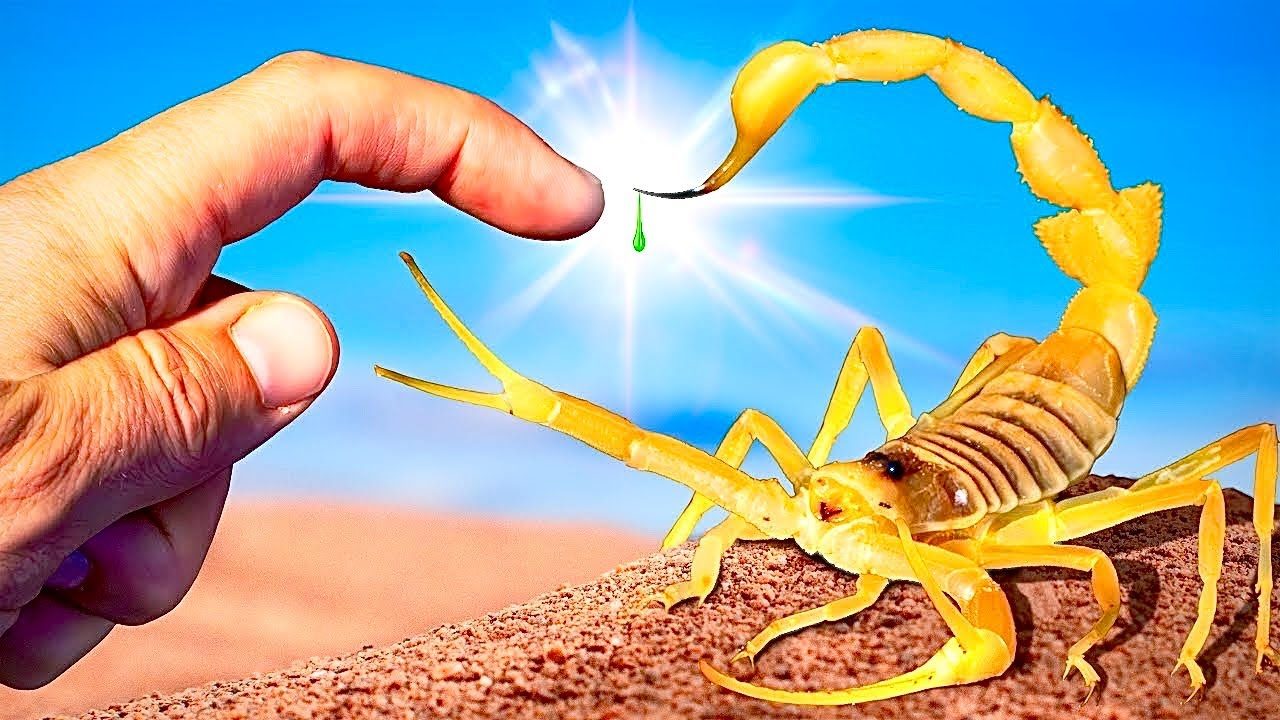
Scorpion Store: 7 Surprising Tips for Exotic Animal Care
Keeping an exotic pet can feel like opening a door to a whole new world of wonder and responsibility. Whether you’re a seasoned hobbyist or just starting out, the right knowledge can turn a challenging experience into a rewarding one. Below are seven surprising tips that will help you provide top‑notch care for your scorpions, tarantulas, and other fascinating creatures. These insights, curated by experts at Scorpion Store, will keep your critters healthy, thriving, and safe for years to come.
1. Create a Habitat That Mimics Nature
Exotic animals thrive when their enclosure closely resembles their natural environment. Research the specific substrate, temperature gradients, and humidity levels your species needs. For desert dwellers like many scorpions, a sandy substrate with a warm basking spot and cooler hideaway is essential. Use a regulated heat lamp to maintain daytime temperatures around 80‑90°F, and provide a night‑time drop to about 70°F. Adding rocks and natural hiding spots reduces stress and encourages natural behaviors, leading to healthier, more active pets.
2. Offer a Balanced and Varied Diet
Nutrition is a cornerstone of exotic animal health, yet many owners overlook the importance of variety. While most scorpions and insects accept live crickets or mealworms, rotating protein sources prevents nutritional deficiencies. Incorporate gut‑loaded prey—feed insects a nutrient‑rich diet before offering them to your pet. For omnivorous species, supplement with occasional fruit or plant matter to mimic their wild diet. Fresh water should always be available, but be sure to change it daily to avoid bacterial growth.
3. Master Safe Handling Techniques
Handling exotic pets requires confidence and caution. Before attempting to move a scorpion, use a soft brush or a pair of tweezers to guide it onto a secure container. Never grasp the animal directly, as this can cause injury to both you and the pet. Wear thick gloves when working with larger or more defensive species, and always keep a clear, uncluttered workspace. Practicing gentle handling not only protects you but also builds trust, making future interactions smoother and more enjoyable.
4. Monitor Health with Regular Checks
Early detection of health issues can save a pet’s life. Schedule weekly observations to check for signs of stress, such as lethargy, loss of appetite, or unusual shedding patterns. Inspect the exoskeleton for cracks, discoloration, or parasites. If you notice mold or foul odors in the enclosure, act quickly to clean and adjust humidity levels. Maintaining a log of feeding amounts, molting dates, and behavior changes helps you spot trends and provides valuable information for a vet specializing in exotic animals.
5. Provide Enrichment to Stimulate Natural Instincts
Even solitary creatures benefit from environmental enrichment. Add tunnels, climbing structures, and varied textures to encourage exploration and exercise. For burrowing species, deeper layers of substrate allow natural digging behavior. Rotating objects and rearranging the setup every few weeks keeps the environment fresh, preventing boredom and reducing the chance of stress‑related illnesses.
6. Keep Water Quality Pristine
Stagnant water can quickly become a breeding ground for harmful bacteria. Use shallow dishes for species that drink frequently and clean them daily. For aquatic habitats, consider a small, filtered system to maintain clarity and oxygen levels. Replace water regularly and test for pH balance, especially if you keep amphibious or semi‑aquatic exotic pets alongside your scorpions.
7. Stay Informed and Connect with Fellow Enthusiasts
The world of exotic animal care is constantly evolving. Join online forums, attend local herpetology meetups, and follow reputable sources like Scorpion Store for the latest tips and product recommendations. Sharing experiences with other hobbyists can reveal new solutions to common challenges and keep you up to date on best practices, ensuring your exotic companions receive the best possible care.
By embracing these surprising yet practical tips, you’ll create a thriving environment for your exotic pets. Consistent attention to habitat setup, diet, handling, health monitoring, enrichment, water quality, and community involvement will set you on the path to successful, rewarding animal stewardship.