
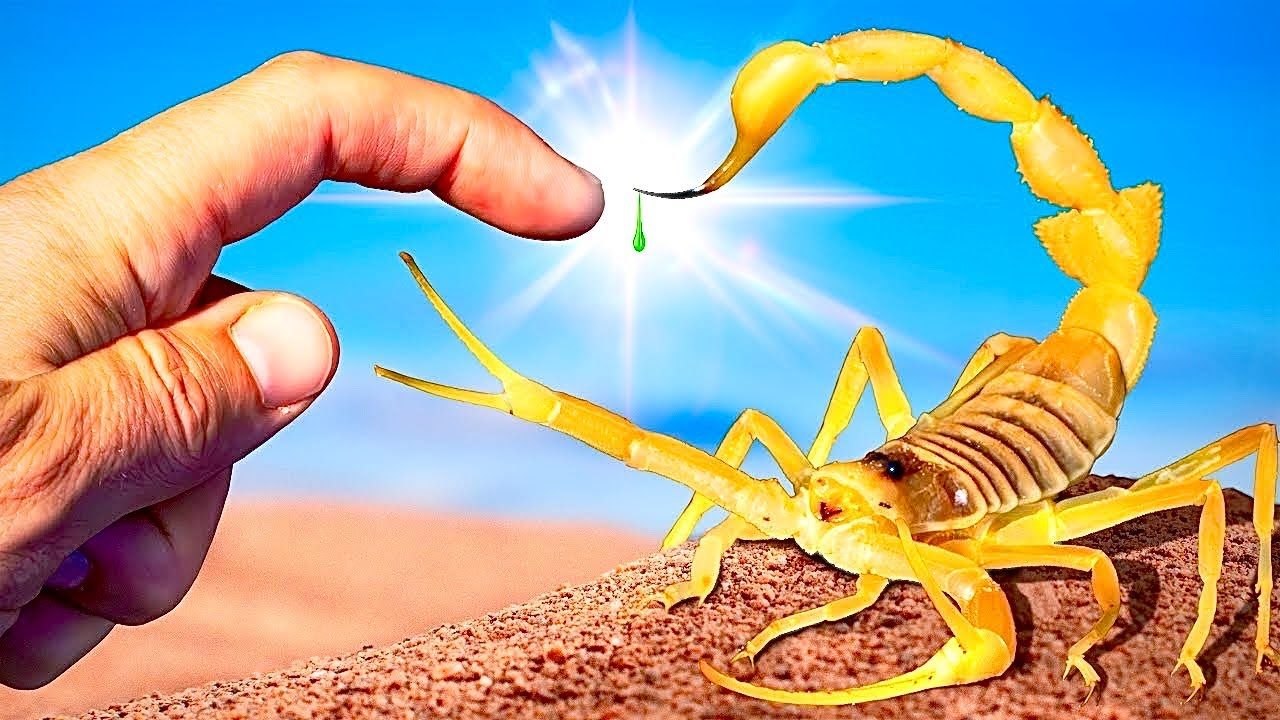
Scorpion Shop: 9 Wild Facts About These Ancient Predators
Scorpions have prowled the Earth for over 400 million years, surviving mass extinctions and thriving in some of the harshest environments. Their glowing tails, lethal stings, and mysterious behaviors continue to fascinate scientists and hobbyists alike. Whether you’re a seasoned collector or just curious about these ancient predators, the following nine wild facts will deepen your appreciation—and you might even discover why a dedicated Scorpion Shop can offer you a glimpse into their extraordinary world.
Ancient Survivors: Evolutionary Marvels
Scorpions first appeared in the Silurian period, long before dinosaurs roamed the planet. Their basic body plan—a segmented tail, pincers, and a venomous stinger—has changed little, showcasing an evolutionary design that’s virtually timeless. Because they have survived for hundreds of millions of years, scorpions are considered living fossils, offering clues about early terrestrial life.
Unlike many arthropods, scorpions can tolerate extreme temperatures. Some desert species survive scorching daytime heat by burrowing, while others endure freezing nights by producing antifreeze proteins in their hemolymph. This adaptability allows them to inhabit deserts, forests, grasslands, and even caves.
Scorpions also have a unique reproductive strategy. After a complex courtship dance, the female gives birth to live young—called scorplings—rather than laying eggs. She then carries them on her back until their first molt, ensuring a higher survival rate in harsh habitats.
Stinging Secrets: Venom and Its Uses
Not all scorpion stings are deadly to humans, but every species possesses venom to subdue prey. The potency varies dramatically; some desert scorpions have venom strong enough to cause severe pain, while others, like the common house scorpion, deliver a mild sting comparable to a bee.
Researchers are unlocking the medical potential of scorpion venom. Certain peptides can target cancer cells, reduce inflammation, or act as powerful antibiotics. This cutting‑edge science highlights how these predators, once feared, may become valuable allies in medicine.
Interestingly, scorpions can control the amount of venom they inject. When defending against a predator, they may deliver a dry bite—no venom at all—to conserve resources. This strategic use of venom underscores their sophisticated survival tactics.
Behavioral Wonders and the Role of a Scorpion Shop
Scorpions are nocturnal hunters, using their sense of vibration to detect prey. Their pedipalps (pincers) sense even the slightest movement, allowing them to ambush insects, spiders, and sometimes even small vertebrates under the cover of night.
Some species display fascinating social behaviors. The emperor scorpion, for example, can be found in communal burrows, sharing warmth and protection—a rare trait among arachnids. These interactions hint at a complex social structure that scientists are still unraveling.
For enthusiasts looking to observe these behaviors up close, a reputable Scorpion Shop provides ethically sourced, captive‑bred specimens. Such shops not only supply high‑quality scorpions but also educate buyers on proper care, handling, and the ecological importance of these ancient predators.
Conservation and Human Interaction
While many scorpions thrive in human‑altered landscapes, habitat loss and pesticide use threaten several species. Conservation efforts focus on preserving natural habitats and promoting sustainable pest control methods that don’t indiscriminately kill beneficial arachnids.
Education is key to reducing fear. Public outreach programs demonstrate that most scorpions pose little danger to humans and play vital roles in controlling insect populations. By learning to coexist with them, we protect biodiversity and maintain ecological balance.
Finally, supporting responsible breeders and Scorpion Shops helps reduce illegal wildlife trade. When hobbyists purchase captive‑bred scorpions, they lessen pressure on wild populations and contribute to a more sustainable future for these remarkable animals.
Conclusion: Embracing the Legacy of Scorpions
The nine wild facts presented here scratch only the surface of scorpions’ incredible legacy. From their ancient origins and adaptable physiology to their medically promising venom and nuanced behaviors, these predators continue to intrigue and inspire.
Whether you’re admiring them in a museum, reading scientific journals, or exploring the offerings of a dedicated Scorpion Shop, each encounter deepens our appreciation for these resilient creatures. By fostering respect and understanding, we ensure that scorpions remain a vibrant part of our planet’s rich tapestry for generations to come.