
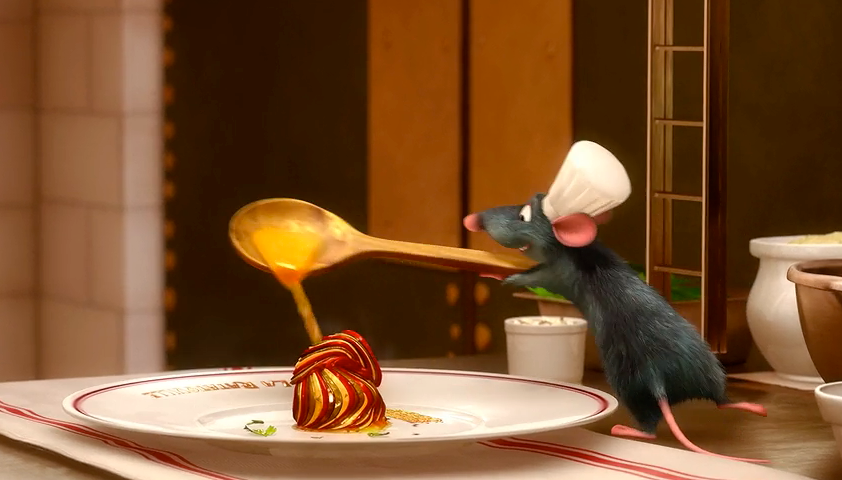
Ratatouille Store Secrets: Inside the Movie's Hidden Kitchen
Ever imagined stepping behind the silver screen to discover the culinary wonderland that inspired one of Pixar’s most beloved films? The Ratatouille Store isn’t just a fictional backdrop; it’s a meticulously crafted secret kitchen that hides countless nods to French cuisine, artistry, and the film’s whimsical spirit. In this blog, we’ll peel back the layers of this hidden set, revealing the design tricks, culinary Easter eggs, and behind‑the‑scenes decisions that make the Ratatouille Store a treasure for fans and food lovers alike.
Behind the Scenes: The Ratatouille Store Concept
The idea for the Ratatouille Store began as a love letter to Parisian markets and the bustling stalls where fresh herbs and vegetables converge. Pixar’s art directors visited real‑world boulevards, gathering textures, colors, and the subtle chaos of a working kitchen. They translated those observations into a set that felt lived‑in, with weathered wooden counters, copper pots, and a pantry stacked with vintage jars. This authenticity was intentional—by grounding the animated story in a tangible environment, the creators ensured audiences could sense the aroma of simmering sauce and the hum of chefs preparing a masterpiece.
Design and Set Construction
Building the hidden kitchen required a seamless blend of practicality and storytelling. Set designers carved out a compact, functional space that could accommodate both animation crews and on‑set props. Every shelf held authentic French cookware, while the walls were lined with handwritten recipes in elegant script, echoing the film’s focus on culinary tradition. Lighting played a crucial role, too; warm amber tones mimicked the glow of a restaurant at dusk, casting soft shadows that enhanced the sense of mystery. Even the floorboards were carefully chosen for their creaky, nostalgic sound, adding an auditory layer that brought the Ratatouille Store to life.
Culinary Easter Eggs Hidden in the Kitchen
Fans who explore the Ratatouille Store set will discover a plethora of hidden details that reward close inspection. Among the copper pans hangs a tiny, hand‑painted portrait of the film’s star—Remy the rat—tucked beside a vintage cheese board. The spice rack features jars labeled with obscure ingredients like “fleur de sel” and “tarragon,” nodding to the movie’s meticulous research. Even the pantry shelves hold miniature bottles of French wine, each bearing a label that references a line from the script. These subtle touches not only showcase the creators’ dedication but also invite viewers to become detectives in their own right, decoding the delicious mysteries embedded within the set.
What the Store Teaches About Creativity
Beyond its visual splendor, the Ratatouille Store serves as a lesson in how imagination can transform ordinary spaces into extraordinary storytelling tools. By immersing themselves in real culinary culture, the Pixar team demonstrated that authenticity fuels creativity. The set proves that every detail—down to the grain of a wooden spoon—can convey character, mood, and narrative depth. For aspiring designers, chefs, or anyone chasing a dream, the hidden kitchen reminds us that passion, combined with meticulous craftsmanship, can turn a simple storefront into a portal where art and gastronomy dance together.