
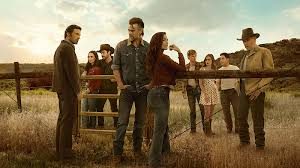
Ransom Canyon Shop: The Movie Behind the Legendary Western
When a dusty trail winds through the heart of the American West, the stories that emerge often become legend. One such tale is the untold saga behind the iconic Western that captured audiences decades ago, a film steeped in grit, honor, and a surprising piece of retail history. At the center of this narrative lies the modest yet unforgettable Ransom Canyon Shop, a storefront that became a silent witness to daring escapades and cinematic magic. In this blog we’ll pull back the curtain, explore the shop’s unique role, and discover why this piece of western folklore still sparks fascination today.
The Birth of a Legendary Western
The film’s genesis began in the late 1960s, a period when studios sought authentic locations to bring frontier stories to life. Producers scouted remote canyons, rugged mesas, and solitary towns that could convey the raw feel of the Old West. After months of searching, a secluded stretch of canyon proved perfect, offering dramatic backdrops and natural lighting that made every shot feel alive.
Screenwriters wove a narrative around a lone drifter who stumbles upon a town teetering on the brink of lawlessness. Themes of redemption, loyalty, and the relentless pursuit of justice resonated with audiences, cementing the film’s place among western classics. The storyline’s success hinged not only on its compelling characters but also on the genuine ambiance provided by real-world locations like the Ransom Canyon Shop.
When the cameras rolled, the atmosphere on set was palpable: horse hooves thudding on packed earth, the distant whinny of a stallion, and the occasional clang of a blacksmith’s hammer. These sensory details translated into a film that felt less like a production and more like a living chronicle of frontier life.
Ransom Canyon Shop’s Role in the Film
Amidst the sweeping vistas, the Ransom Canyon Shop stood out as a humble general store that quickly became a pivotal set piece. Its wooden facade, weathered shutters, and hand‑carved sign offered the perfect backdrop for a crucial scene where the protagonist negotiates a tense standoff with the town’s outlaw leader. The shop’s interior, lined with barrels, crates, and a dusty counter, served as the stage for a tense exchange that defined the film’s climax.
Production designers meticulously preserved the shop’s original architecture, adding period‑appropriate props while respecting its historical integrity. This attention to detail allowed actors to interact with a genuine environment, fostering performances that were both authentic and emotionally resonant. The shop’s presence also provided a tangible link between fictional drama and real‑world history, inviting viewers to step into a slice of the past.
Beyond the on‑screen moments, the Ransom Canyon Shop became a cherished gathering spot for the cast and crew. Between takes, they would share stories over coffee brewed in a vintage kettle, creating a camaraderie that echoed the film’s themes of community and solidarity.
Behind‑the‑Scenes Tales from the Set
Filming in a remote canyon presented challenges that tested the ingenuity of everyone involved. Sudden desert storms forced the crew to shelter under improvised tarps, while temperature swings required careful wardrobe adjustments to keep actors comfortable. Yet, these obstacles also sparked memorable anecdotes.
One evening, a mischievous prop horse escaped its restraints and bolted through the canyon, prompting a frantic chase that ended with the animal safely returning to the set—much to the delight of the crew. The incident was later incorporated into a deleted scene, adding a touch of authentic humor to the film’s lore.
Another unforgettable moment occurred when a seasoned stunt rider, after a daring ride across a narrow ledge, paused to tip his hat to the Ransom Canyon Shop, acknowledging the storefront’s quiet contribution to the movie’s epic tale. These behind‑the‑scenes stories, enriched by the shop’s presence, have become part of the film’s enduring mythology.
Why Modern Audiences Keep Returning
Decades after its premiere, the film continues to attract new viewers drawn by its timeless themes and striking visuals. The authenticity of locations like the Ransom Canyon Shop provides a tactile connection that resonates in an era dominated by digital effects. Audiences appreciate the film’s commitment to genuine settings, which lend credibility and depth to the story.
Film scholars often cite the Ransom Canyon Shop as a prime example of how real-world landmarks can elevate cinematic storytelling. Its inclusion underscores the importance of preserving historic sites, reminding fans that every creaking floorboard and sun‑worn sign holds a narrative waiting to be discovered.
As streaming platforms bring classic westerns back into living rooms worldwide, viewers find themselves fascinated not just by gunfights and horseback chases, but by the subtle intricacies of places like the Ransom Canyon Shop that quietly shaped the movie’s legacy.
In the end, the legend of the Western film is inseparable from the humble storefront that stood at its heart. The Ransom Canyon Shop may have been a simple building, but its contribution to cinematic history is anything but ordinary. By exploring its story, we gain a richer appreciation for the craft of filmmaking and the enduring allure of the American frontier.