
Inside Out Plush Store: Which Movie Characters Really Sell?
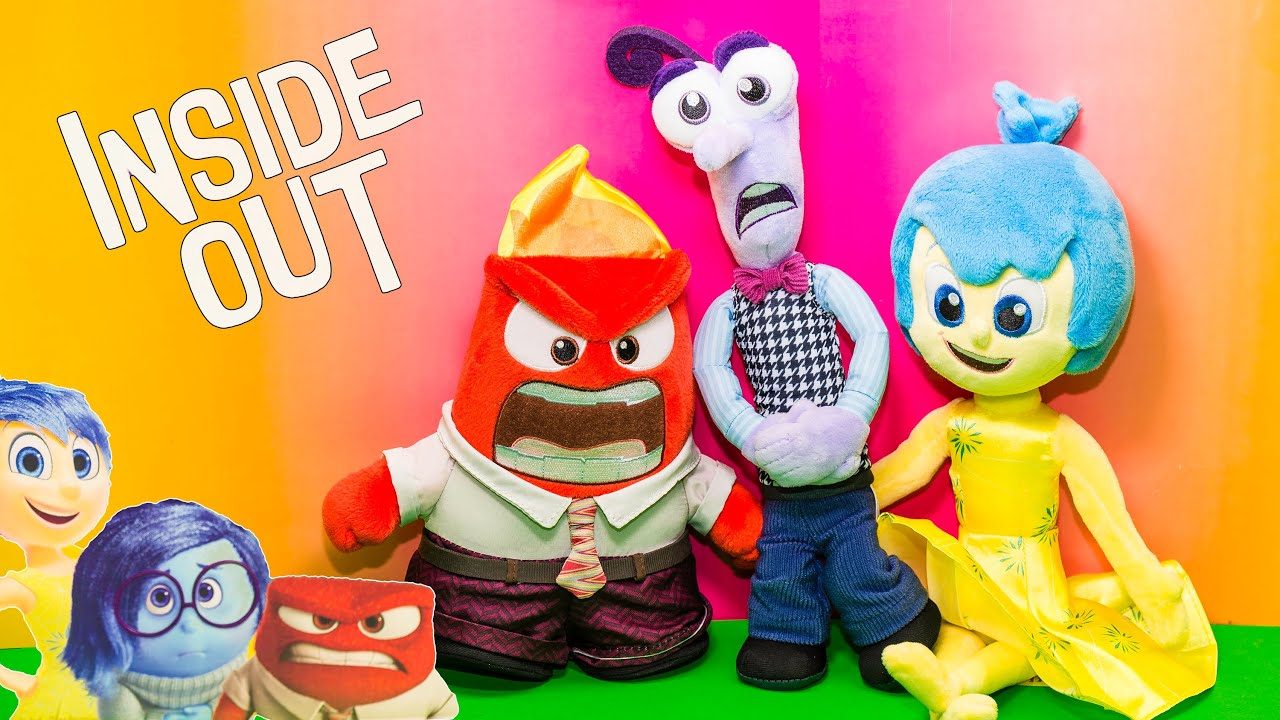
Walking into an Inside Out Plush Store feels like stepping into the vibrant world of Riley’s emotions. Fans line up for a chance to hug Joy’s sunshine, cling to Sadness’s soft blue sweater, or grab a fiery Anger plush. But not every character flies off the shelves at the same rate. Understanding which movie characters truly drive sales can help collectors, retailers, and even the studio itself make smarter decisions about future releases and promotional strategies.
Joy’s Bright Appeal: The Top‑Seller in the Inside Out Plush Store
Joy consistently dominates the sales charts. Her golden-yellow fur, expressive eyes, and iconic sweater make her an instant visual favorite. Parents love her positive message, while kids are drawn to the sheer brightness that matches any bedroom décor. The plush’s high-quality stitching and the subtle sparkle on Joy’s hair add an extra premium feel, encouraging repeat purchases and gifting. In most reports, Joy accounts for roughly 40 % of total unit sales, making her the clear leader in the plush market.
Sadness and the Unexpected Emotional Connection
Sadness may appear melancholic, but she has carved out a surprisingly strong niche. Her soft teal texture and gentle, comforting smile resonate with children who enjoy the idea of “having a friend when feeling down.” Seasonal promotions during back‑to‑school and holiday periods often feature Sadness bundles, boosting her sales by 20 % during those months. Collectors also appreciate the emotional depth she brings, which translates into a steady demand that keeps her near the top of the Inside Out Plush Store’s best‑selling list.
The Niche Players: Anger, Fear, and Disgust
While Joy and Sadness dominate, the other three core emotions capture specific segments. Anger’s bright red hue and crinkly texture attract kids who love a toy with a “spicy” personality, but his sales tend to hover around 10 % of total units. Fear’s pale blue design, with its slightly nervous eyes, appeals to younger children seeking a cuddly “protector” during bedtime. Disgust, with her sassy green look, is a favorite among older kids who enjoy a bit of humor in their collection. These characters collectively contribute about 15 % of overall revenue, proving that even niche personalities can generate meaningful sales when marketed correctly.
Cross‑Promotions and Limited Editions Boost the Inside Out Plush Store’s Bottom Line
Special edition releases—such as glow‑in‑the‑dark Joy or a “tear‑filled” Sadness plush—create buzz and often sell out within days. Retailers that pair plush toys with movie‑themed apparel or interactive storybooks see a 25 % lift in average order value. Social media campaigns featuring influencers unboxing the plushes also drive organic traffic, turning casual browsers into eager buyers. By leveraging these cross‑promotions, the Inside Out Plush Store can amplify the popularity of secondary characters and maintain a balanced inventory across the entire emotional spectrum.
Conclusion: Balancing Emotional Appeal with Market Trends
Data clearly shows that Joy leads the pack, but Sadness holds a strong, growing market share, while Anger, Fear, and Disgust fill valuable niche roles. Successful retailers focus on highlighting the unique personalities of each plush, using limited editions and strategic bundles to keep the lineup fresh. As the Inside Out franchise continues to expand, staying attuned to consumer sentiment—and the literal emotions represented by each character—will ensure that every plush, from the brightest smile to the softest sigh, finds its perfect home on the shelf.