
Blue Velvet Shop: Unraveling the Film’s Dark, Twisted Themes
David Lynch’s “Blue Velvet Shop” is a cinematic tapestry of intrigue, where the ordinary suburbia of small‑town America is peeled back to reveal a seedy underbelly of desire, violence, and surreal symbolism. From the moment the film’s iconic opening scene drops a torn piece of blue velvet onto a teenage detective’s shoe, viewers are thrust into a world where innocence and corruption dance in uneasy tandem. This blog unravels the twisted themes that make “Blue Velvet Shop” a haunting study of human psyche, exploring how its visual motifs, narrative structure, and character dynamics converge to expose the darkness lurking behind the veil of everyday life.
Unearthing the Symbolic Power of the Blue Velvet
At the heart of the film lies the vivid texture of blue velvet itself—a symbol that oscillates between sensuality and menace. The fabric’s deep hue evokes the night, a realm where hidden impulses emerge, while its softness hints at forbidden comforts. Lynch repeatedly uses the velvet as a visual cue, placing it in scenes that pivot from mundane to macabre, thereby challenging the audience to question what lies beneath the surface of normalcy. This recurring motif reinforces the idea that even the most ordinary objects can harbor unsettling meanings, turning the everyday into a portal for deeper, often darker, emotional currents.
Exploring the Duality of Characters
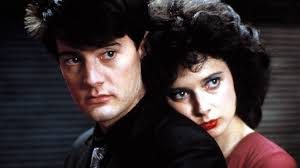
The protagonists in “Blue Velvet Shop” embody stark opposites, yet their paths intersect in unsettling ways. The earnest teenage detective represents curiosity and moral clarity, while the enigmatic femme fatale blurs the line between victim and manipulator. As the narrative progresses, each character’s hidden desires surface, revealing that their outward identities are merely masks. This duality underscores the film’s central thesis: every individual contains both light and shadow, and circumstances can quickly shift the balance, thrusting them into a realm of moral ambiguity.
Atmospheric Soundscape and Visual Contrast
Lynch’s mastery of sound and imagery amplifies the film’s unsettling tone. The contrast between soothing, melodic scores and sudden bursts of jarring noise mirrors the tension between calm suburban life and lurking peril. Cinematographically, bright daytime scenes dissolve into night‑marish shadows, often framed through cracked windows or smoky curtains, hinting at fragmented realities. These visual techniques coax the viewer into an uneasy state, constantly questioning what is real and what is illusion, thereby reinforcing the film’s exploration of perception versus truth.
The Legacy of Fear and Desire in Modern Cinema
“Blue Velvet Shop” has left an indelible imprint on contemporary filmmakers who seek to blend horror with psychological drama. Its fearless portrayal of taboo subjects—sexuality, violence, and the subconscious—paved the way for genre‑bending narratives that challenge audience comfort zones. By confronting viewers with unsettling truths wrapped in beautiful aesthetics, the film demonstrates that fear and desire are intertwined forces that drive storytelling forward. As modern cinema continues to draw inspiration from Lynch’s bold vision, the lingering echo of the blue velvet remains a potent reminder of the hidden complexities within human nature.
In dissecting the film’s dark, twisted themes, we see how “Blue Velvet Shop” serves as a masterclass in turning the ordinary into the extraordinary. Its layered symbolism, complex characters, and atmospheric craftsmanship combine to create a lingering sense of dread that stays with audiences long after the credits roll. Whether you are a seasoned cinephile or a curious newcomer, delving into the shadows of this cinematic masterpiece offers a profound glimpse into the unsettling corners of the human soul.