
Blue Velvet Shop Secrets: The Film's Dark Twist on Noir
Step inside the dimly lit world of David Lynch’s masterpiece, where a small boutique becomes the gateway to a chilling underworld. The moment the camera lingers on the window display, you feel a shiver that hints at secrets lurking behind the velvet curtain. This blog peels back the layers of the film’s dark twist on classic noir, exploring how the iconic Blue Velvet Shop fuels a narrative that is both mesmerizing and terrifying.
The Mystery Behind the Blue Velvet Shop
The shop itself is more than a backdrop; it is a character. Its plush curtains and polished tiles conceal a world of deception. When protagonist Jeffrey Beaumont discovers a severed ear hidden in the grass, the shop’s façade begins to crack. The shop’s owner, Frank Booth, exudes an unsettling charisma that mirrors the unsettling allure of classic film noir villains. By juxtaposing the seemingly innocent retail space with brutal violence, Lynch crafts a visual paradox that keeps viewers on edge.
Noir Elements That Twist the Narrative
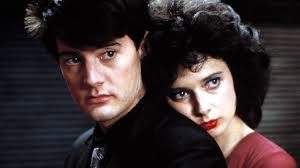
Traditional noir thrives on shadows, moral ambiguity, and a lone detective chasing truth. In this film, those elements are reimagined. The streets of Lumberton are drenched in rain, and streetlights flicker like dying hopes. Jeffrey becomes the reluctant gumshoe, navigating a labyrinth of secrets. The femme fatale, Dorothy Vallens, embodies both vulnerability and danger, echoing the classic noir siren while also subverting expectations. The narrative’s dark twist lies in its refusal to offer clear resolutions, leaving the audience to wrestle with lingering unease.
Symbolism and Dark Themes
Every detail in the film serves as a symbol. The blue velvet curtain represents the thin veil between innocence and corruption. The recurring motif of music—soft jazz mingling with violent outbursts—highlights the duality of human nature. Lynch uses color, sound, and framing to deepen the sense of dread. The shop’s hidden basement, where illegal activities unfold, acts as a metaphor for the subconscious mind, a place where forbidden desires fester. These dark themes resonate with viewers long after the credits roll.
Legacy and Influence
Decades after its release, the film continues to inspire filmmakers and scholars alike. Its blend of noir aesthetics with surreal horror has paved the way for new genres. The Blue Velvet Shop scene is often cited in film studies as a masterclass in atmosphere building. Directors now experiment with similar juxtapositions—ordinary settings harboring extraordinary darkness. The film’s impact extends beyond cinema, influencing literature, music, and visual arts that seek to explore the hidden darkness within everyday life.
In conclusion, the film’s dark twist on noir is a testament to Lynch’s daring vision. By turning a simple storefront into a symbol of hidden evil, he invites us to question what lies beneath the surface of the familiar. The Blue Velvet Shop remains a haunting reminder that even the most ordinary places can conceal the most unsettling truths. Dive deeper, and you might just hear the whispered echo of that severed ear, urging you to look beyond the velvet curtain.