Blue Velvet Shop Secrets: How the Film Redefined Noir
David Lynch’s “Blue Velvet Shop” has become a touchstone for anyone fascinated by the dark undercurrents of American cinema. The film takes a quiet, suburban town and pulls back the curtain to reveal a world of obsession, danger, and surreal imagination. From its first breath‑taking scene of a torn piece of fabric fluttering in a wind‑blown field, the movie hooks you into a mystery that feels both familiar and utterly strange. It’s a perfect entry point for readers who love classic noir but crave a fresh, unsettling perspective. In the next sections we’ll explore how this iconic work reshaped the genre and what it teaches today’s storytellers.
The Blue Velvet Shop as a Noir Playground
At its core, the film uses a simple boutique as the portal to an underworld of secrets. The shop itself is painted in muted pastels, yet it hides a labyrinth of shadows that echo classic noir alleys. Lynch places ordinary objects—like a red velvet drape—next to sinister symbols, creating a visual tension that feels instantly noir. The dialogue is crisp, the characters speak in clipped, hard‑boiled lines, and the moral compass spins wildly out of control. This juxtaposition forces viewers to question every friendly smile and innocent storefront, a hallmark of modern noir storytelling.
Visual Style: From Shadows to Neon
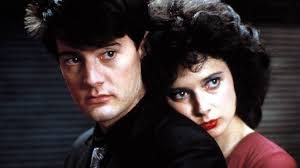
Lynch’s cinematography borrows heavily from the chiaroscuro lighting of 1940s crime dramas, but he injects it with bold color contrasts that feel distinctly contemporary. The deep blacks of night scenes blend with flashes of electric blue and blood‑red, turning ordinary streets into a palette of dread. Camera angles tilt just enough to create unease, and long, lingering shots allow tension to build without a single word spoken. This visual language redefines noir by proving that darkness can be expressed not only through low light but also through striking, saturated hues.
Soundtrack and Atmosphere: Music as a Narrative Weapon
The haunting score is a character in its own right. Ambient drones swirl beneath moments of quiet terror, while sudden crescendos punctuate key revelations. Lynch layers diegetic sounds—rain on a tin roof, distant sirens, the rustle of silk—creating an auditory tapestry that mirrors the film’s visual depth. The soundtrack guides the audience’s emotions, turning a simple chase scene into an almost operatic experience. By treating music as a narrative weapon, the film expands noir’s traditional reliance on dialogue and visuals alone.
Legacy: Influence on Contemporary Filmmakers
Since its release, “Blue Velvet Shop” has inspired a generation of directors who seek to blend classic genre formulas with surrealist flair. Indie creators cite the film’s daring use of color, its willingness to push boundaries, and its unapologetic exploration of human darkness. Television series now incorporate similar visual motifs, and streaming platforms host countless homages that echo the shop’s eerie aesthetic. The movie’s impact is evident in everything from fashion to video game design, proving that its reinterpretation of noir continues to ripple across media.
Practical Lessons for Modern Storytelling
For writers and filmmakers, the film offers three clear takeaways: first, never underestimate the power of setting—a modest shop can become a labyrinth of intrigue. Second, blend classic genre cues with innovative visuals to keep audiences guessing. Third, let sound design shape the narrative as much as dialogue does. By applying these principles, creators can craft stories that honor noir traditions while forging new, unforgettable experiences. The “Blue Velvet Shop” remains a masterclass in how to reinvent a beloved genre without losing its soul.