
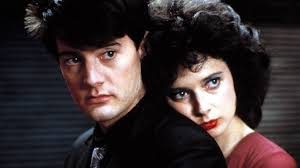
Blue Velvet Shop: Inside the Film’s Darkest Secrets
Step into the dimly lit world of a cinema classic that still haunts viewers decades later. The infamous boutique at the heart of this tale draws curious eyes and uneasy whispers, offering a glimpse into a hidden underbelly that challenges everything we think we know about innocence and depravity. As the camera prowls through shadows, the secrets of the Blue Velvet Shop unfold, revealing layers of mystery, symbolism, and daring storytelling that continue to inspire debate.
The Enigmatic Setting of Blue Velvet Shop
From the moment the storefront appears on screen, its red neon sign glows like a beacon for the unknown. The shop sits on a quiet street, an ordinary façade disguising a world of intrigue. Director David Lynch uses the location as a visual anchor, grounding the narrative in a place that feels both familiar and unsettling.
Every detail inside the shop is meticulously crafted. The cluttered shelves, the pastel curtains, and the subtle flicker of fluorescent lights create an atmosphere that is simultaneously inviting and threatening. Viewers cannot help but feel that something crucial lies just beyond the counter.
This contrast amplifies the film’s tension. The shop’s ordinary appearance lulls characters and audiences alike into a false sense of security, only to reveal darker currents beneath the surface. It becomes a perfect metaphor for the hidden sins lurking in everyday life.
The Symbolic Darkness Behind the Velvet Curtain
Beyond its physical presence, the shop serves as a powerful symbol of secrecy and contamination. The deep blue velvet that adorns the interior drapes over truth, obscuring it from view. This visual cue suggests that what we see is merely a façade.
Characters who enter the shop are drawn into a web of desire and danger. Their interactions with the shop’s owner expose their hidden cravings, exposing how easily innocence can be corrupted. The recurring motif of the velvet curtain reinforces the idea that reality is filtered through layers of deception.
Lynch weaves these symbols with subtle hints—a soft hum, a lingering scent, a faint rustle of fabric. Each cue nudges the audience deeper into the narrative’s moral ambiguity, urging viewers to question what lies beneath the surface of everyday places.
Behind the Scenes: Production Secrets of Blue Velvet Shop
Creating the shop’s unforgettable look required a collaborative effort between set designers, cinematographers, and the director himself. The production team sourced genuine vintage items, ensuring authenticity that could not be replicated with digital effects.
Lighting played a crucial role in shaping the shop’s mood. Cinematographer Frederick Elmes chose a low-key approach, using shadows to conceal as much as they revealed. The subtle interplay of light and darkness mirrors the film’s central themes of hidden truth.
Even the sound design contributes to the shop’s unsettling aura. A faint, almost imperceptible hum runs through each scene, creating a constant sense of unease. This auditory layer amplifies the feeling that something ominous is always present, even when the camera focuses on mundane details.
Legacy and Cultural Impact of Blue Velvet Shop
Since its release, the film’s iconic shop has become a reference point in pop culture, inspiring countless homages and parodies. Artists and designers have reproduced its aesthetic, recognizing its influence on visual storytelling.
Critics continue to dissect the shop’s role, debating whether it represents suppressed trauma, societal decay, or a personal nightmare. This ongoing discussion keeps the film relevant, prompting new generations to explore its layered meanings.
Ultimately, the Blue Velvet Shop remains a testament to the power of setting as character. Its haunting presence reminds us that even the most ordinary places can conceal extraordinary secrets, making the film an enduring study of mystery, psychology, and the shadows that dwell within us all.